

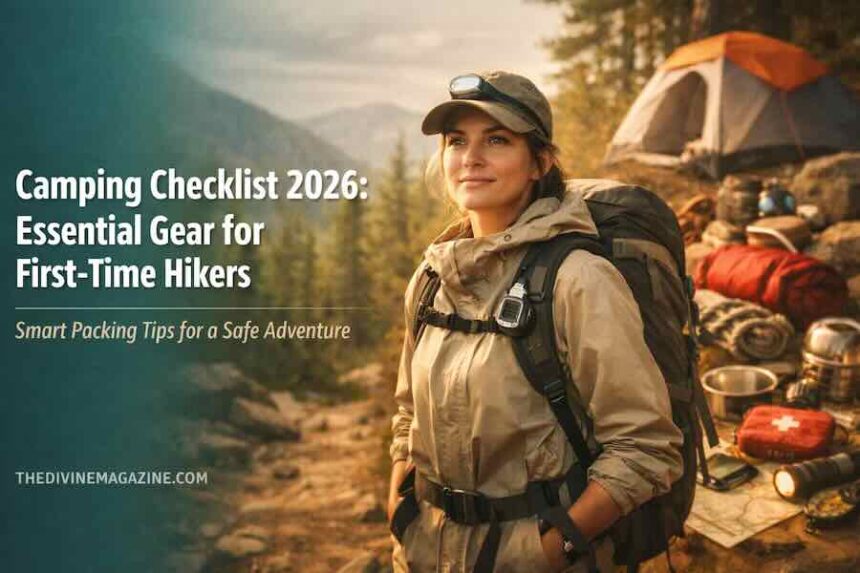
Are you still packing your bags at the last minute before heading to the airport? That habit won’t work if you’re going camping in a tent. Whether it’s a multi-day hike through rugged terrain or a short weekend escape into nature, preparation is key. In 2026, camping is all about balance — embracing adventure while staying safe and comfortable. Here’s how to pack smart for your next tent trip.
Start by making a detailed checklist of essentials for your hike and camping setup. Planning ahead ensures you won’t forget critical gear or overpack unnecessary items.
What Should You Consider Before Packing?
Before you start gathering gear, think like an experienced traveler. Every item you carry adds weight — and on the trail, that weight matters. Even if you’re driving to your campsite, a short walk through uneven terrain can feel endless with an overloaded backpack.
Consider the season, route difficulty, and group composition. Are you traveling with kids or beginners? Is the area mountainous or coastal? These factors influence what you’ll need most. For route planning and safety, check AllTrails or National Park Service maps before you go.
Essential Camping Gear Checklist
Main Equipment
- Tent: Always start your list with the tent. Choose one suited for your group size and weather conditions. Explore durable options from REI or Decathlon.
- Sleeping Bag: Keeps you warm and comfortable. Look for temperature-rated bags for your climate.
- Sleeping Mat: Insulates you from the cold ground and adds comfort. Foam or inflatable mats are ideal for multi-day hikes.
- First Aid Kit: Include bandages, antiseptics, painkillers, allergy medication, and activated charcoal. For guidance, see Red Cross First Aid Kit Essentials.
- Documents & Money: Carry ID and a small amount of cash. Emergencies can happen anywhere.
- Watch: Reliable timekeeping is vital — don’t depend solely on your phone.
Clothing & Footwear
- Comfortable Shoes: Choose hiking boots or trail sneakers for long treks. For beach or desert camping, opt for sturdy sandals.
- Layered Clothing: Pack lightweight, moisture-wicking layers. Even summer nights can turn cold.
- Warm Gear: A fleece jacket or thermal wear helps you stay cozy after sunset.
Tools & Accessories
- Knife: Useful for cooking, repairs, and emergencies.
- Cookware: Bring a bowl, cup, spoon, and a small pan. Compact sets from Stanley or GSI Outdoors are great choices.
- Flashlight or Headlamp: Essential for nighttime visibility. Rechargeable LED models are eco-friendly.
- Matches or Lighter: Store in a waterproof container. Fire-starting kits from Snow Peak can help.
- Sunglasses: Protect your eyes from UV rays, especially at high altitudes.
- Hygiene Items: Soap, toothbrush, toothpaste, insect repellent, and sunscreen. Eco-friendly options from Biome are ideal.
- Rope: Multipurpose — for drying clothes, securing gear, or building shelter.
Conclusion
Camping in 2026 is about preparation and respect for nature. A well-packed bag means freedom — you can explore confidently, knowing you’re ready for any challenge. Plan ahead, pack smart, and embrace the adventure. The wilderness rewards those who come prepared.
FAQ: Smart Camping & Packing Tips 2026
1. How early should I start packing for a camping trip?
Ideally, begin 2–3 days before departure. This gives you time to check gear and replace missing items.
More Read

2. What’s the best way to keep gear dry?
Use waterproof bags or dry sacks. Store electronics and matches separately. Learn more at Outdoor Life.
3. How can I make camping more eco-friendly?
Choose reusable containers, avoid single-use plastics, and follow Leave No Trace principles.
4. What should I do if I forget something important?
Stay calm and improvise — nature often provides alternatives. For example, use a scarf as a rope or a pot lid as a plate.
5. Are camping checklists still useful in 2026?
Absolutely. Digital checklists on apps like PackPoint or Trello help you stay organized and stress-free.