
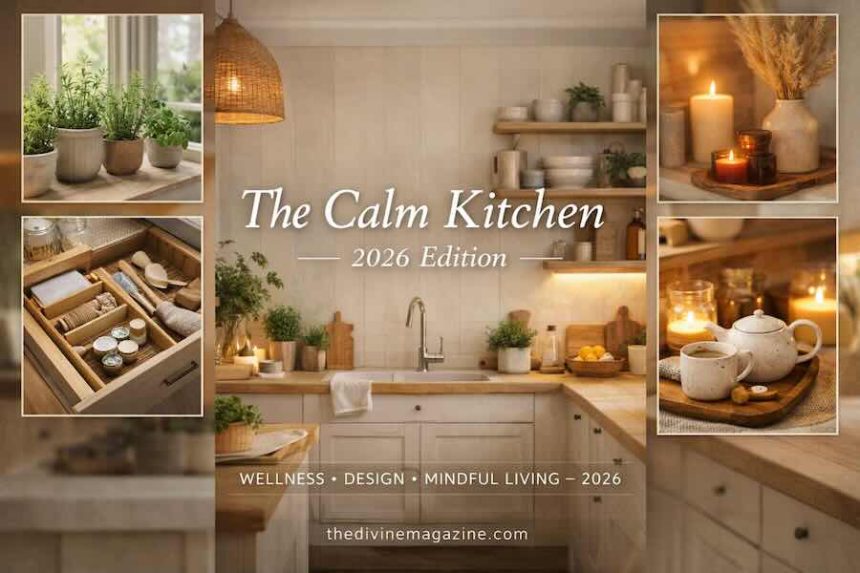
In 2026, the kitchen is more than a place to cook — it’s a daily reset point for your nervous system. A calm, well‑designed kitchen can lower stress, support healthier eating habits, and make everyday routines feel less chaotic. By combining smart layout, biophilic design, and thoughtful storage, you can turn your kitchen into a soothing, restorative space instead of a source of overwhelm.
- Why a Calm Kitchen Matters for Your Wellbeing
- Start with a Calm Foundation: Layout, Zones and Flow
- Biophilic Design: Bringing Nature into the Kitchen
- Lighting for a Calm, Cocoon‑Like Atmosphere
- Storage, Surfaces and the Art of “Quiet” Counters
- Sound, Scent and Texture: Engaging All the Senses
- Rituals: Designing for Calm Daily Habits
- Conclusion: Your Kitchen as a Daily Sanctuary
- FAQ: Designing a Calm Kitchen (2026)
Why a Calm Kitchen Matters for Your Wellbeing
Visual clutter, harsh lighting, and constant noise all contribute to stress. Research into biophilic and wellness‑focused interiors shows that spaces designed with nature, soft light, and order in mind can reduce anxiety and improve mood. For more on the psychology of nature‑inspired interiors, explore biophilic design insights at Ecologic Nomad and multisensory trends at Sky Rye Design.
Start with a Calm Foundation: Layout, Zones and Flow
A calm kitchen starts with clear zones and intuitive flow. Separate prep, cooking, and clean‑up areas so you’re not constantly crossing paths or searching for tools. Keep everyday items — knives, cutting boards, oils, and spices — within arm’s reach of your main prep area. If you’re planning a remodel, look into ergonomic kitchen layouts and workflow tips from Houzz.
Even in a rental or small apartment, you can create micro‑zones with trays, baskets, and drawer inserts. The goal is simple: fewer decisions, less visual noise, and smoother movement.
Biophilic Design: Bringing Nature into the Kitchen
Biophilic design — integrating natural elements into interiors — is one of the most effective ways to create a calming kitchen. Think natural light, greenery, organic materials, and soft, nature‑inspired colors. For kitchen‑specific inspiration, explore biophilic kitchen ideas at DesignCafe.
- Natural materials: Choose wood, stone, bamboo, linen, and ceramics over high‑gloss plastics.
- Greenery: Add potted herbs, a small indoor garden, or a vertical planter near a window.
- Nature‑inspired palette: Soft greens, warm whites, sand, clay, and muted blues help ground the space.
- Views and light: Keep window sills clear, use light curtains, and avoid blocking natural light with tall cabinets where possible.
Biophilic spaces don’t have to be expensive. Even a single plant, a wooden cutting board, and a bowl of fresh lemons can shift the mood of your kitchen.

Lighting for a Calm, Cocoon‑Like Atmosphere
Harsh overhead lighting is one of the fastest ways to make a kitchen feel stressful. Aim for layered, dimmable lighting that supports both cooking and unwinding. Combine:
- Ambient lighting: Soft ceiling or track lighting with warm white bulbs (around 2700–3000K).
- Task lighting: Under‑cabinet lights for counters and stovetop.
- Accent lighting: A small table lamp, LED strip on open shelves, or candles for evening calm.
For circadian‑friendly lighting ideas that support your natural rhythm, explore biophilic lighting trends at Sky Rye Design and smart lighting options from Philips Hue.
Storage, Surfaces and the Art of “Quiet” Counters
Cluttered counters are visual stress. A calm kitchen favors “quiet” surfaces — clear, simple, and intentional. Store rarely used appliances in cabinets, and keep only a few beautiful, functional items on display: a wooden board, a ceramic utensil jar, a fruit bowl.
Use drawer organizers, pull‑out shelves, and labeled containers to reduce decision fatigue. For practical storage solutions, browse kitchen organization guides at The Container Store or IKEA.
Sound, Scent and Texture: Engaging All the Senses
A truly calm kitchen is multisensory. Beyond what you see, think about what you hear, smell, and touch:
- Sound: Add soft textiles (rugs, curtains) to absorb noise. Play low‑key playlists or nature sounds via Spotify while cooking.
- Scent: Fresh herbs, citrus, or a subtle essential oil diffuser (like lavender or rosemary) can instantly shift the mood.
- Texture: Mix smooth stone, matte ceramics, woven baskets, and linen towels to create a tactile, grounded feel.
For more on multisensory biophilic design and its impact on stress, see wellness‑focused interiors research summarized at Ecologic Nomad.
Rituals: Designing for Calm Daily Habits
Design isn’t just about objects — it’s about how you move through the space. Create small rituals that anchor your day: a quiet morning coffee corner, a tea station, or a nightly reset routine where you clear counters and dim the lights. These micro‑rituals signal safety and closure to your nervous system.
If you’re interested in habit‑building around home and wellbeing, explore practical habit frameworks at James Clear’s Atomic Habits.
Conclusion: Your Kitchen as a Daily Sanctuary
A calm kitchen doesn’t require a full renovation or a designer budget. By simplifying your layout, embracing natural materials, softening your lighting, and curating what lives on your counters, you can transform the emotional tone of the space. In 2026, the most luxurious kitchens aren’t the biggest — they’re the ones that help you breathe deeper, cook more mindfully, and feel genuinely at ease in your own home.
FAQ: Designing a Calm Kitchen (2026)
1. How can I make my kitchen feel calmer on a small budget?
Start with decluttering, adding one or two plants, swapping harsh bulbs for warm‑white ones, and using baskets or trays to group items. Small changes in light and order have a big impact.
2. What colors are best for a stress‑reducing kitchen?
Soft neutrals, warm whites, muted greens, and gentle blues tend to feel calming. Avoid overly high‑contrast schemes if you’re sensitive to visual stimulation.
3. Can smart technology help create a calm kitchen?
Yes. Smart dimmers, circadian lighting, and voice‑controlled speakers for music or timers can reduce friction and decision fatigue. Explore options from brands like Philips Hue and Sonos.
4. How do I keep my counters clutter‑free if I cook a lot?
Designate “landing zones” for tools you use daily and give everything else a home in drawers or cabinets. A quick 5‑minute reset after each meal helps maintain calm surfaces.
5. Is biophilic design only about plants?
No. Biophilic design includes natural light, organic materials, nature‑inspired colors, textures, and even sound and scent. Plants help, but they’re just one part of a larger, nature‑connected approach.