
Keeping your home’s plumbing in good working order is essential for comfort, safety, and long‑term value. In 2026, homeowners face increasing challenges from aging systems, water efficiency standards, and unpredictable weather. Whether you’re dealing with leaky faucets, slow drains, or unexpected flooding, small plumbing issues can quickly escalate into costly emergencies. By adopting proactive maintenance habits and following expert‑approved precautions, you can protect your home, save money, and prevent stress before problems arise.
Key Takeaways
- Regular inspections and maintenance can identify potential plumbing issues early.
- Proper disposal habits prevent clogs and maintain pipe integrity.
- Protecting pipes from freezing temperatures is crucial in colder climates.
- Monitoring water pressure helps prevent strain on plumbing systems.
- Installing drain screens can catch debris and prevent blockages.
Keeping your home’s plumbing in good working order is critical for both comfort and safety. Whether you are dealing with leaky faucets, slow drains, or unexpected flooding, small plumbing issues can quickly become major headaches if left unaddressed. Luckily, by following a few simple precautions and adopting proactive habits, homeowners can reduce the risk of expensive emergencies. For Utah homeowners and businesses looking for expert support, commercial plumbing contractors and services in Utah can provide both regular maintenance and emergency repair services to keep systems running smoothly.
Being mindful of what goes down your drains and scheduling routine checkups are just a couple of the ways you can safeguard your pipes and fixtures. Because plumbing systems are often hidden behind walls and under floors, problems can arise undetected until significant damage occurs. Proactive care, whether through homeowner know-how or professional assistance, goes a long way in preventing plumbing failure. Weather can also play a major role in plumbing performance. Harsh winters, strong water pressure, and improper disposal practices are all common causes of trouble. Taking simple steps like insulating pipes, monitoring water pressure, and using drain screens can make a big impact. To make plumbing maintenance more manageable, it helps to have a checklist or set of practical tips to follow. This ensures that you are always one step ahead of leaks, clogs, or corrosion lurking out of sight.
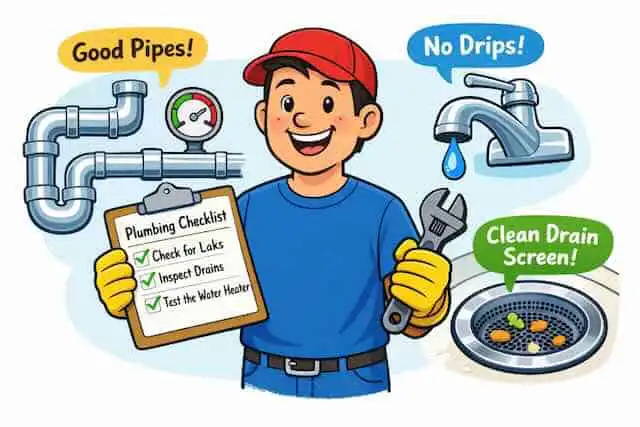
Conduct Regular Inspections
Regular inspections are the foundation of a healthy plumbing system. Take the time to routinely check under sinks, behind toilets, and around your water heater for signs of leaks, condensation, or corrosion. Look for discolored spots on walls or ceilings that could signal hidden water damage. Even a small drip can be an early indicator of a larger issue forming within the system. If you notice water stains, mold, or musty odors, consider those as red flags and investigate further. Addressing minor issues early prevents long-term damage to your fixtures and your home’s foundation. The Environmental Protection Agency (EPA) also notes that catching leaks early conserves water and lowers utility bills, doubly beneficial for efficiency and the environment.
Practice Proper Disposal Habits
One of the leading causes of plumbing issues is improper waste disposal. Never pour grease, oil, or coffee grounds down kitchen sinks, as they can solidify inside pipes and cause persistent blockages. Food scraps should be scraped into compost or the trash, and not forced through garbage disposals in excess, which only increases the risk of clogs. In the bathroom, do not flush anything other than human waste and toilet paper. Items like wipes (even if labeled “flushable”), paper towels, cotton balls, or sanitary products do not break down and can quickly clog pipes or sewer lines. Reinforcing proper disposal with everyone in your home helps protect your system.
Protect Pipes from Freezing
Frozen pipes are a common winter plumbing emergency, especially in regions with cold winters like Utah. Insulate pipes in unheated spaces such as crawl spaces, basements, and garages. Use foam insulation sleeves or heat tape to cover exposed sections and prevent water inside from freezing and expanding, which can cause pipes to burst.

On especially cold nights, keeping a slow trickle of water flowing through faucets can reduce the risk of freezing by maintaining water movement. Also, make sure your home’s thermostat stays above 50°F, particularly if you are leaving for an extended period during winter. This minor adjustment can make a significant difference.
Monitor Water Pressure
Consistently high water pressure can wear down your pipes and increase the likelihood of leaks or bursts over time. Install a water pressure gauge on your main line to track levels and ensure they remain between 40 and 80 psi. If you notice spikes outside that range, a pressure regulator may be necessary. Diagnosing pressure problems early or seeking assistance from a plumbing professional helps you avoid long-term damage. This also reduces the load on water appliances like dishwashers and washing machines.
Install Drain Screens
Drain screens serve as a first line of defense against common debris, such as hair, soap scum, and food particles. Install them in your shower, tubs, and kitchen sinks to intercept debris before it can travel deeper into your plumbing. Drain screens are inexpensive and easy to clean, making them a simple solution for preventing clogs. Make it a point to remove collected debris regularly. This maintains smooth drainage, prolongs the life of your pipes, and saves you from those inconvenient slow-drain scenarios.
Maintain Your Water Heater
Water heaters require periodic maintenance to operate efficiently and last longer. Set the temperature between 120 and 140 degrees Fahrenheit, as this range is both safe and energy efficient. Once a year, drain and flush the tank to remove sediment that collects at the bottom. Sediment buildup reduces efficiency and can lead to overheating or tank failure. Listen for unusual noises, rumbling or popping sounds can indicate excessive sediment. Professional maintenance checks are also recommended to inspect the anode rod and pressure relief valve.
Be Mindful of What You Flush
It is essential to know what should (and should not) be flushed. Limiting toilet use to only human waste and toilet paper prevents blockages and protects sewer infrastructure. Communicate this standard to children and guests to safeguard your system against unnecessary repairs and backups. Even products labeled as “flushable” wipes can cause issues, as they often do not break down as easily as toilet paper. Municipal wastewater facilities frequently cite wipes as a major cause of clogs in city systems.
Schedule Professional Maintenance
Professional inspections provide a deeper look at your plumbing, using specialized tools to detect hidden leaks, buildup, and vulnerabilities that might go unnoticed in a standard homeowner inspection. Scheduling an annual checkup with a licensed plumber ensures a comprehensive review and keeps your system healthy year-round. Routine maintenance includes drain cleaning, water heater inspection, and system-wide integrity checks. This proactive approach helps prevent costly emergencies while providing peace of mind. By combining mindful everyday habits with annual professional oversight, you can keep your home’s plumbing in peak condition. Adopting these tips will reduce the risk of major repairs, save on utility bills, and ensure your family’s comfort and safety for years to come.
Conclusion
Maintaining a reliable plumbing system depends on consistent care, smart daily habits, and timely professional support. By conducting regular inspections, managing water pressure, and using simple tools like drain screens, homeowners can catch small issues before they develop into costly repairs. Proper disposal practices and pipe protection during cold weather also play a major role in preventing clogs, leaks, and burst pipes. In addition, routine water heater maintenance and mindful flushing habits help keep the entire system running efficiently and safely. While many preventative steps can be handled at home, scheduling professional maintenance ensures deeper issues are identified and resolved early. Ultimately, combining proactive care with expert assistance helps protect your plumbing system, reduce unexpected expenses, and maintain long-term comfort and peace of mind.