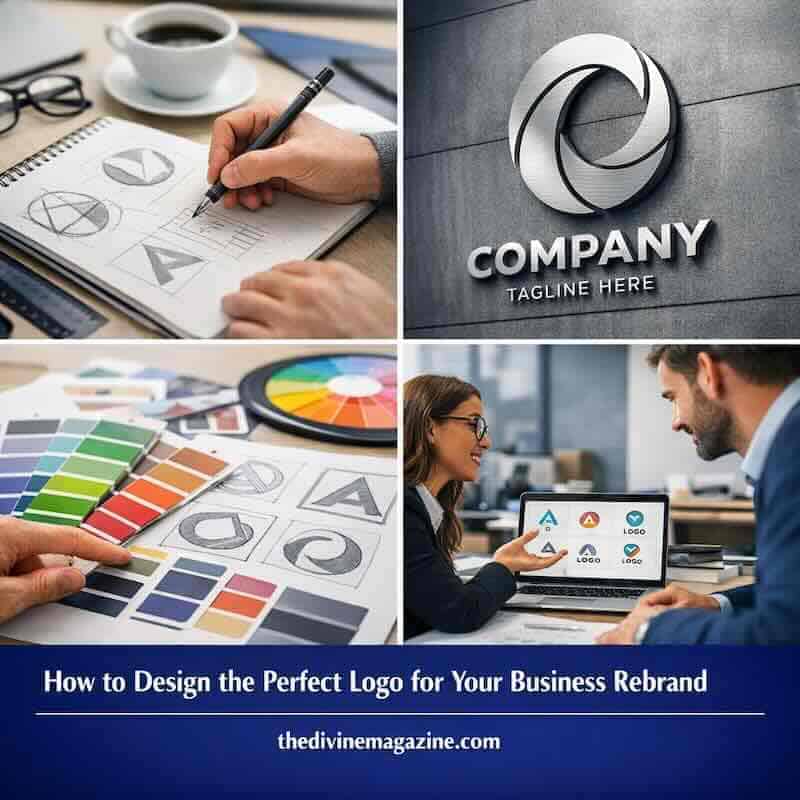
Whether you’re starting a new business or rebranding in 2026, your logo is more than just a graphic—it’s your brand’s handshake. It appears on your products, social media, presentations, and every touchpoint with your audience. A well-designed logo builds trust, recognition, and emotional connection. Changing it too often can confuse customers, so getting it right the first time is essential.
Define Your Brand Personality
Before diving into design, clarify what you want your logo to communicate. Are you modern, witty, minimalist, luxurious, or bold? Your logo should reflect your brand’s tone and values. This clarity will guide every design decision and ensure consistency across platforms.
Embrace Simplicity and Empty Space
Today’s consumers respond to clean, uncluttered visuals. Don’t be afraid of white space—it makes your logo easier to understand and more versatile across formats. A simple, clever logo is more likely to stay relevant as your business evolves.
Minimalism doesn’t mean boring. Your logo can still be witty or engaging, but avoid cramming in too many colors, words, or symbols. A clean design works better across digital and print formats, from digital promotion to packaging.
Make It Instantly Understandable
Your logo should clearly reflect what your business does. While subtlety and cleverness are great, the core message should be obvious at first glance. Literal elements help customers quickly connect your logo to your product or service.
Start With Black and White
Begin your design process in black and white to focus on shape, structure, and clarity. Color can enhance a logo, but it should be added after the core concept is solid. This approach ensures your logo works in monochrome formats like invoices, stamps, or grayscale printing.
More Read

Tools like DesignEvo or Canva offer free logo mockups to test your ideas before finalizing.
Work With a Professional Branding Agency
Hiring a design agency is one of the smartest investments you can make. Experienced professionals can distill your brand’s essence into a logo that’s timeless, versatile, and emotionally resonant. A rushed DIY logo might save money upfront but cost you credibility later.
For top-tier talent, consider a branding agency in Manchester or London. Agencies like Pentagram and Landor are known for iconic brand identities.
Conclusion
Designing a logo in 2026 means balancing clarity, creativity, and consistency. Start with a clear brand personality, embrace simplicity, and work with professionals who understand your vision. A great logo isn’t just a design—it’s a strategic asset that builds trust and drives recognition.
Take your time, test your ideas, and invest in getting it right the first time. Your future customers—and your brand’s longevity—will thank you.
Frequently Asked Questions
How often should I update my logo?
Only when your brand undergoes a major shift. Frequent changes can confuse customers and weaken brand recognition.
Can I design a logo myself?
Yes, but professional input is highly recommended. Tools like Canva and DesignEvo are great for mockups, but a branding agency ensures strategic alignment.
What makes a logo timeless?
Simple shapes, clear messaging, and minimal reliance on trends. Think Apple, Nike, or FedEx—logos that haven’t needed major changes in decades.
Should my logo include my company name?
Not always. Icon-based logos can be powerful if your brand is well-known. For newer businesses, including the name helps build recognition.
Where can I find branding agencies?
Start with directories like Clutch or DesignRush. Look for agencies with experience in your industry and strong client reviews.