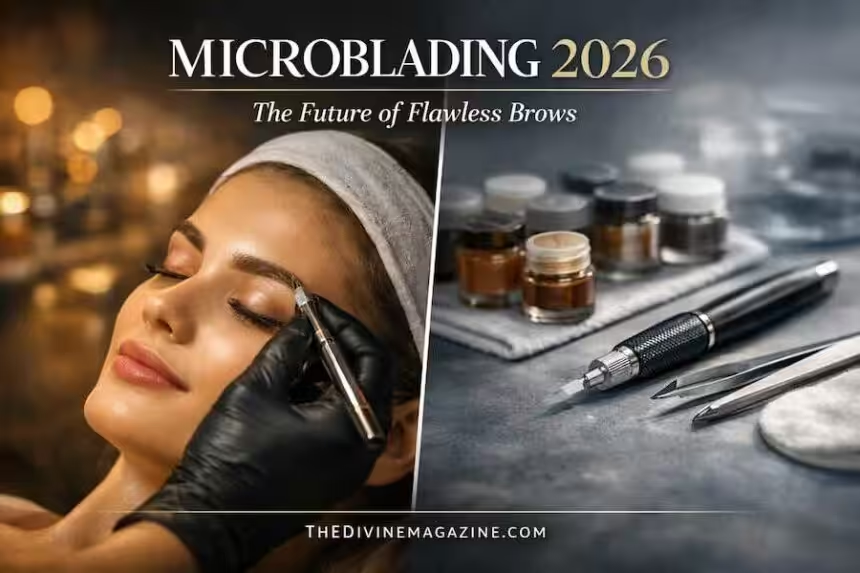
Brows have always framed the face, but in 2026 they’ve become a quiet luxury statement. The era of heavy, blocky, Instagram‑era brows is officially over. Today’s beauty lovers want something softer, cleaner, and effortlessly elevated. Enter the new generation of microblading: a refined, skin‑first, hyper‑natural approach that blends artistry with science.
Microblading hasn’t disappeared. It has evolved.
What Exactly Is Microblading in 2026?
Microblading is a semi‑permanent brow enhancement technique where ultra‑fine strokes mimic natural hair. The 2026 version is far more advanced than the microblading of a few years ago, thanks to better tools, smarter pigments, and more skin‑aware protocols.
Today’s artists often use:
- Nano‑precision blades that create thinner, more realistic strokes
- Biocompatible pigments that fade cleanly without turning red or blue
- AI‑assisted brow mapping for symmetry and face‑geometry accuracy
The result: brows that look like your own, only better.
The Rise of Bio‑Microblading
One of the biggest innovations of 2026 is bio‑microblading — a technique using plant‑derived, mineral‑stabilized pigments designed to be gentler on the skin and to fade more gracefully over time.

- Ideal for sensitive or reactive skin
- Longer‑lasting yet softer fade (around 18–30 months)
- Cleaner breakdown with fewer ashy or overly warm undertones
This shift mirrors the wider beauty movement toward clean, skin‑safe formulations and more dermatology‑aligned standards. For readers who want to dive deeper into brow health and regrowth, Cleveland Clinic’s guide to helping overplucked eyebrows grow back offers medically‑reviewed tips that pair perfectly with a modern microblading journey.
Nano Strokes: The 2026 Gold Standard
If early‑2020s microblading was about “perfect brows,” 2026 is about undetectable realism. Nano strokes are ultra‑fine, feather‑light, and almost indistinguishable from real hair when healed.
Healing time has improved too. Most clients now recover in about 4–7 days, compared to the 10–14 days often seen with older techniques, provided they follow aftercare instructions carefully.
Hybrid Brows: The Most Requested Look of the Year
While pure microblading works beautifully for normal to dry skin, it’s not always ideal for oily or textured skin. That’s where Hybrid Brows (microblading plus soft machine shading) come in — easily the most requested brow service of 2026.
- Soft dimension without harsh lines
- Suitable for more skin types, including oily skin
- Customizable intensity from barely‑there to editorial bold
Think of hybrid brows as the “airbrush finish” of brow artistry — polished, modern, and never overdone.
Skin‑First Microblading: A New Standard of Care
Clients in 2026 are more informed than ever. They expect a skin‑first approach that respects barrier health and long‑term results, not just a good “after” photo.
- pH‑balanced skin prep before the procedure
- Barrier‑supporting aftercare with gentle balms and minimal irritation
- Patch testing for pigment allergies when needed
- Advanced brow mapping based on bone structure, muscle movement, and symmetry
This more clinical, thoughtful approach brings microblading closer to dermatology and professional skincare standards. For general skin‑health education, readers can also explore trusted resources like the American Academy of Dermatology’s public skin care guides.
Microblading Alternatives Trending in 2026
Not everyone needs microblading, and the industry has responded with a full spectrum of brow‑enhancing options. Some of the most popular alternatives include:
- Nanoblading – machine‑based, ultra‑fine strokes, often ideal for oily or textured skin
- Hybrid/Combo Brows – a mix of strokes and shading for soft fullness
- Brow Lamination 2.0 – keratin‑infused formulas for longer‑lasting, brushed‑up brows
- Tinting + Peptide Serums – for those who prefer non‑invasive, gradual enhancement
- Brow Transplants – more natural‑looking surgical options than in previous decades
These alternatives give readers the freedom to choose a brow journey that matches their lifestyle, budget, and comfort level.
The Aesthetic of 2026: Bare‑Face Brows
On TikTok and Instagram, the brow aesthetic dominating 2026 is soft, airy, and almost invisible. The look is all about light, fluffy strokes, gentle arches, and natural density — no harsh fronts, squared edges, or heavy blocks.
It’s the perfect match for Scandinavian beauty: clean, minimal, and effortlessly polished. Microblading, nanoblading, and hybrid brows are all being used to achieve this “bare‑face brow” effect that looks good both on camera and in real life.
Is Microblading Worth It in 2026?
If you want brows that look natural, symmetrical, and low‑maintenance, microblading can absolutely be worth it in 2026. The key is choosing the right technique for your skin type and the right artist for your aesthetic.
Microblading today isn’t about chasing trends. It’s about timeless, natural beauty — the kind that quietly enhances your features without overpowering them.
Final Thoughts
Microblading has entered a new era defined by precision, personalization, and skin health. Whether you’re considering your first appointment or looking to refresh your brows, 2026 offers more options, better technology, and more natural results than ever before.
Brows may be small, but in 2026, they’re making a major statement.
FAQ: Microblading in 2026
1. What is microblading?
Microblading is a semi‑permanent brow treatment where ultra‑fine strokes are etched into the skin to mimic natural hair. In 2026, the technique uses nano‑precision blades and biocompatible pigments for softer, more realistic results.
2. How long does microblading last?
Most people enjoy their results for around 18–30 months, depending on skin type, lifestyle, and aftercare. Oily skin may fade faster, while dry or balanced skin tends to hold pigment longer.
3. Does microblading hurt?
A topical numbing cream is usually applied before the procedure, so most clients describe the sensation as light scratching rather than pain. Sensitivity varies, but modern tools are gentler and cause less trauma than older methods.
4. What is the healing process like?
Healing typically takes about 4–7 days. Brows may appear darker at first, then soften as the skin heals. Mild flaking is normal. Full results usually settle after 4–6 weeks.
5. What is the difference between microblading and nanoblading?
Microblading uses a manual blade, while nanoblading uses a machine with ultra‑fine needles. Nanoblading can create even thinner strokes and is often recommended for oily or textured skin.
6. Who is a good candidate for microblading?
Microblading works best for people with normal to dry skin who want natural‑looking fullness. Those with very oily skin, large pores, or certain skin conditions may be better suited for hybrid brows or nanoblading. If you’re unsure, consult a licensed brow artist or a dermatologist.
7. How do I choose the right brow artist?
Look for a certified, experienced technician who specializes in natural, hair‑stroke work. Review healed results — not just fresh ones — and ensure they use high‑quality, clean‑fading pigments and follow strict hygiene protocols.
8. What should I avoid before my appointment?
Avoid alcohol, caffeine, retinol, exfoliants, and blood‑thinning medications for 24–48 hours before your session, unless otherwise advised by your doctor. These can increase sensitivity and bleeding during the procedure.
9. What aftercare is required?
Keep brows dry for the first 24 hours, avoid sweating and makeup around the area, and apply the recommended healing balm. Follow your artist’s instructions closely for the best retention and safest healing.
10. Will my brows look natural?
Yes — modern techniques focus on hyper‑natural, feather‑light strokes that blend seamlessly with your real brow hair. The goal is “your brows, but better,” not a tattooed or blocky look.
11. How much does microblading cost in 2026?
Prices vary by location and artist experience, but you can generally expect $300–$900 for an initial session. Touch‑ups are usually less.
12. Is microblading safe?
When performed by a trained professional using sterile tools and high‑quality pigments, microblading is considered safe. Always check your artist’s hygiene standards, certifications, and reviews. For medical concerns, consult a healthcare professional or dermatologist.
13. What alternatives exist if microblading isn’t right for me?
Popular 2026 alternatives include nanoblading, hybrid/combo brows, brow lamination 2.0, tinting with peptide serums, and brow transplants. Each option offers different levels of commitment, cost, and intensity, so it’s worth exploring which best fits your needs.
14. Do I need a touch‑up?
Yes. A perfecting session is typically recommended 4–8 weeks after the initial appointment to refine shape, color, and stroke density.
15. Can microblading be removed?
Yes. Saline removal and laser removal are both used to lighten or remove unwanted brow pigment, depending on depth and skin type. Always seek a qualified removal specialist and, if needed, medical advice before proceeding.