
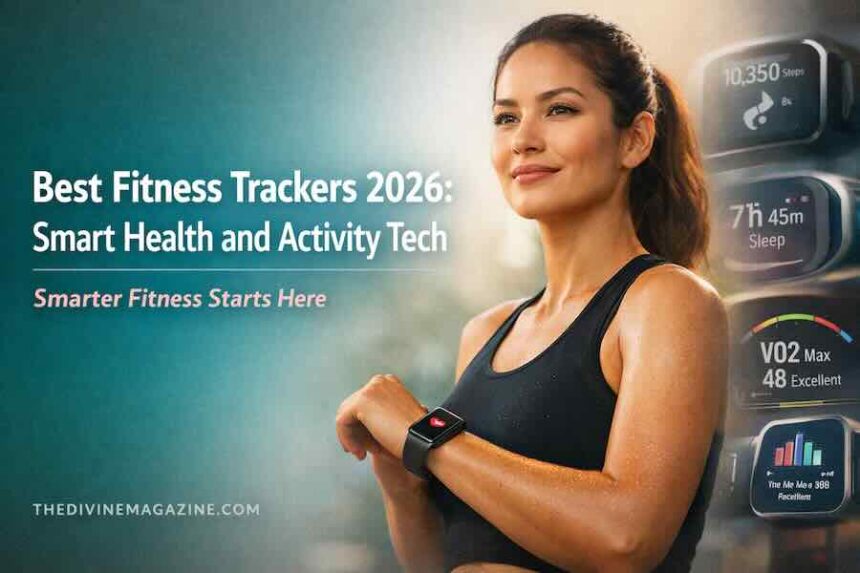
In 2026, digital fitness trackers have become essential companions for anyone pursuing a healthier lifestyle. These smart devices — also known as activity trackers — monitor everything from calories burned and steps taken to heart rate and sleep quality, helping users make data‑driven decisions about their well‑being.
Modern fitness trackers come in sleek, stylish designs that blend technology with fashion. Whether you’re a dedicated athlete or simply want to stay active, these wearables provide real‑time insights into your daily performance. Among the most popular brands, Fitbit continues to lead the market with innovative features and user‑friendly interfaces.
Why Digital Fitness Trackers Matter in 2026
Fitness trackers are more than gadgets — they represent a shift toward proactive health management. With sensors that measure heart rate variability, oxygen saturation, and stress levels, these devices empower users to understand their bodies better. Studies from the National Institutes of Health show that wearable technology can increase physical activity and improve long‑term health outcomes.
Today’s waterproof models are suitable for all ages and lifestyles. From wristbands and smartwatches to pendants and rings, digital fitness trackers are available in multiple forms to suit personal preferences. Explore advanced options from Garmin and Apple Watch for cutting‑edge health tracking.
Top Fitness Trackers in 2026
- Xiaomi Mi Band 8 — Best Budget Tracker: Tracks heart rate, sleep, and activity with impressive battery life. Compatible with Android and iOS. Learn more at Xiaomi Global.
- Fitbit Charge 6 — Best Value Tracker: Features built‑in GPS, water resistance up to 50 meters, and smartphone notifications. Ideal for everyday use.
- Fitbit Versa 4 — Overall Best Fitness Tracker: Offers advanced metrics including menstrual cycle tracking, heart‑rate monitoring, and music control. AMOLED display and 7‑day battery life.
- Garmin Vivosmart 5 — Best Health Tracking Suite: Provides stress tracking, pulse ox monitoring, and energy optimization. Compatible with Android and iOS.
Advantages of Fitness Trackers
- Track heart rate and oxygen levels in real time.
- Monitor sleep quality and recovery patterns.
- Set personalized fitness goals and reminders.
- View exercise history and progress analytics.
- Encourage consistency through gamified challenges.
Fitness trackers are especially beneficial for older adults, helping them monitor vital signs and maintain mobility. According to World Health Organization guidelines, consistent activity tracking supports better cardiovascular health and mental well‑being.
Conclusion
Digital fitness trackers have transformed how we approach health in 2026. They’re not just for athletes — they’re for everyone who values wellness and wants actionable insights into their body’s performance. By integrating smart technology with daily routines, these devices make fitness measurable, motivating, and achievable.

FAQ: Fitness Trackers 2026
1. Are fitness trackers accurate?
Most modern trackers use advanced sensors and AI algorithms for precise readings. Accuracy improves when worn correctly and synced regularly.
2. Can fitness trackers help with weight loss?
Yes. By tracking calories, steps, and heart rate, they encourage accountability and help users adjust workouts and diet plans.
3. Are fitness trackers safe for children?
Many brands offer kid‑friendly models with parental controls. Check Fitbit Ace 3 for example.
4. How long do fitness tracker batteries last?
Depending on the model, battery life ranges from 5 to 14 days. Charging habits and usage intensity affect longevity.
5. What’s next for fitness trackers?
Expect AI‑driven health insights, glucose monitoring, and integration with smart home ecosystems. Learn more at CNET’s 2026 fitness tech overview.