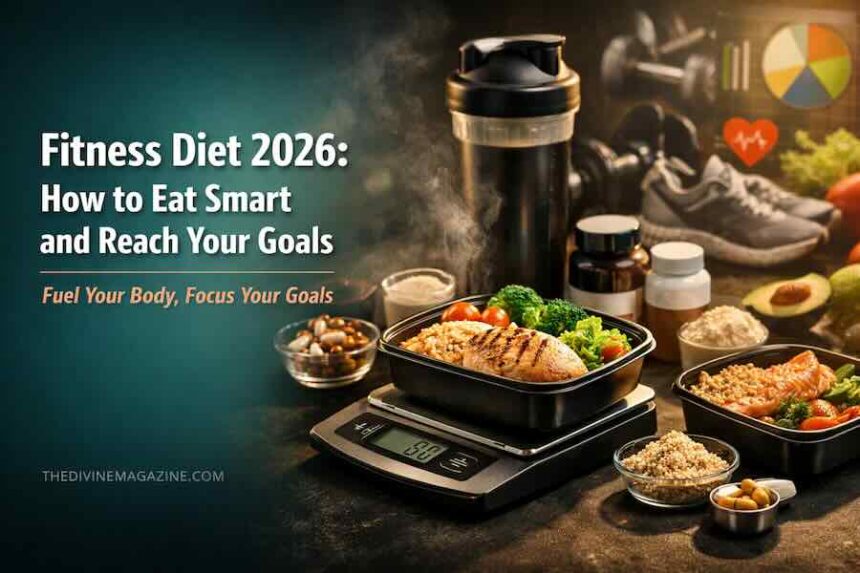
Achieving your fitness goals in 2026 requires more than just hitting the gym — it’s about fueling your body with the right nutrition. Exercise shapes your physique, but diet determines how effectively your body adapts and recovers. Many people struggle to plan a diet that aligns with their goals, so this guide will help you understand what to eat, how to balance nutrients, and how to fill any gaps for optimal results.
Your Nutritional Requirements
The first step is identifying your nutritional needs. Your ideal diet depends on your activity level, body composition, and fitness goals. Whether you’re training for endurance, strength, or weight loss, your macronutrient balance will differ. Avoid foods that hinder progress and focus on nutrient-dense options. Use tools like MyFitnessPal or Cronometer to track calories and macros accurately.
Finding the Right Foods
Look for foods rich in lean protein, fiber, and healthy fats. Avoid fad diets that promise quick results — they often lack sustainability. Instead, build your meals around whole foods like chicken, fish, legumes, nuts, and leafy greens. If you’re unsure where to start, consult a certified nutritionist or explore flavor-forward, healthy options from brands like Zesty Z. For evidence-based nutrition insights, visit British Nutrition Foundation.
Filling the Gaps
Even with a balanced diet, you may miss certain nutrients. Supplements can help bridge these gaps — especially if you follow a restrictive diet or train intensely. Personalized supplement plans like Hundred tailor vitamins and minerals to your needs. You can also explore intermittent fasting to improve metabolic health and nutrient absorption. Always consult a healthcare professional before starting new supplements.
Building a Sustainable Routine
Consistency is key. Track your progress, adjust your diet as your body changes, and stay patient. Fitness is a long-term commitment — not a quick fix. Combine smart nutrition with regular exercise, hydration, and adequate sleep for the best results. For expert guidance, check out Precision Nutrition or WHO’s Healthy Diet Guidelines.
Conclusion
Designing a diet that supports your fitness goals doesn’t have to be complicated. Focus on balance, quality, and personalization. By understanding your nutritional needs, choosing whole foods, and supplementing wisely, you’ll create a foundation for lasting health and performance. Remember — progress comes from consistency, not perfection.

FAQ: Fitness Nutrition 2026
1. How do I calculate my daily calorie needs?
Use online calculators like Calculator.net or apps like MyFitnessPal to estimate your Total Daily Energy Expenditure (TDEE) based on age, weight, and activity level.
2. Should I eat before or after workouts?
Consume carbs and protein before workouts for energy and recovery. Post-workout meals should include lean protein and complex carbs to replenish glycogen stores.
3. Are supplements necessary?
Not always. A balanced diet can cover most needs, but supplements like omega‑3s, vitamin D, and magnesium can support performance and recovery.
4. How can I stay consistent with my diet?
Plan meals ahead, keep healthy snacks available, and allow flexibility. Tracking progress helps maintain motivation and accountability.
5. What’s trending in fitness nutrition for 2026?
Personalized nutrition powered by AI, sustainable protein sources, and microbiome‑focused diets are shaping the future of health and fitness.