In 2026, self‑help books continue to inspire readers to unlock their potential and nurture emotional resilience. These works serve as catalysts for transformation — guiding you to replace negative self‑talk with self‑belief, creativity, and purpose. They remind us that growth is not a destination but a lifelong journey toward confidence and clarity.
Below are some of the most influential self‑improvement books that resonate deeply with readers today. Each title offers practical wisdom and timeless insight to help you evolve personally and professionally. After reading these, you’ll notice tangible changes in your life that will reflect through your personality.
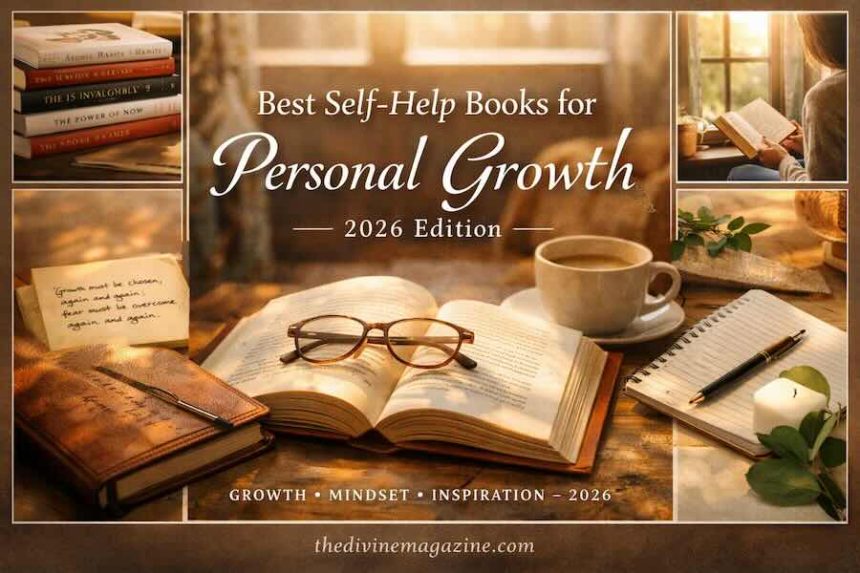
“One can choose to go back toward safety or forward toward growth. Growth must be chosen again and again; fear must be overcome again and again.” — Abraham Maslow
The 15 Invaluable Laws of Growth by John C. Maxwell
John C. Maxwell, a globally recognized leadership expert, has written over 24 million books translated into 50 languages. The 15 Invaluable Laws of Growth — part of his acclaimed Law Series — outlines principles for personal development and self‑leadership. Maxwell’s insights help readers cultivate discipline, purpose, and vision. For more on his philosophy, visit John Maxwell Company or explore his leadership podcast on Apple Podcasts.
Negative Self‑Talk and How to Change It by Shad Helmstetter, PhD
Negative Self‑Talk and How to Change It by Dr. Shad Helmstetter remains a cornerstone of modern cognitive self‑development. It explores how internal dialogue shapes identity and success. In a world saturated with digital noise, this book teaches readers to reprogram their thoughts for confidence and clarity. Helmstetter’s other works — including What to Say When You Talk to Yourself and The Power of Neuroplasticity — expand on this theme. Learn more about his research at ShadHelmstetter.com or explore related neuroscience insights from Psychology Today.
Atomic Habits by James Clear
James Clear’s Atomic Habits continues to dominate bestseller lists in 2026. It offers a science‑based approach to habit formation, showing how small, consistent actions lead to extraordinary results. Clear’s framework — cue, craving, response, reward — helps readers build positive routines and eliminate destructive ones. For practical tools and habit trackers, visit JamesClear.com or explore his latest talks on TED.

The Mountain Is You by Brianna Wiest
Brianna Wiest’s The Mountain Is You explores emotional intelligence and self‑sabotage. It encourages readers to transform internal obstacles into opportunities for growth. Wiest’s poetic yet practical writing resonates with those seeking healing and empowerment. Discover more of her work at Thought Catalog or follow her reflections on Instagram.
Conclusion: The Future of Self‑Improvement in 2026
In 2026, self‑help literature continues to evolve — blending psychology, neuroscience, and mindfulness. These books remind us that growth is a daily practice, not a one‑time event. Whether you’re seeking confidence, clarity, or creativity, the right book can serve as a mentor in print. Read widely, reflect deeply, and apply what resonates — because transformation begins with awareness.
FAQ: Self‑Help Books and Personal Growth (2026)
1. Do self‑help books really work?
Yes — when paired with action. Reading provides insight, but applying lessons creates change. Combine reading with journaling or coaching for best results.
2. Which self‑help book should I start with?
Atomic Habits by James Clear is ideal for beginners. It’s practical, research‑backed, and easy to implement.
3. Are self‑help books scientifically supported?
Many modern titles draw from psychology and neuroscience. Explore evidence‑based recommendations from American Psychological Association.
4. How can I retain what I read?
Take notes, highlight key insights, and revisit summaries. Apps like Blinkist and Pocket help reinforce learning.
5. Can self‑help books replace therapy?
No — they complement it. Books offer guidance, but therapy provides personalized support. For professional help, visit BetterHelp or Psychology Today’s Therapist Directory.