
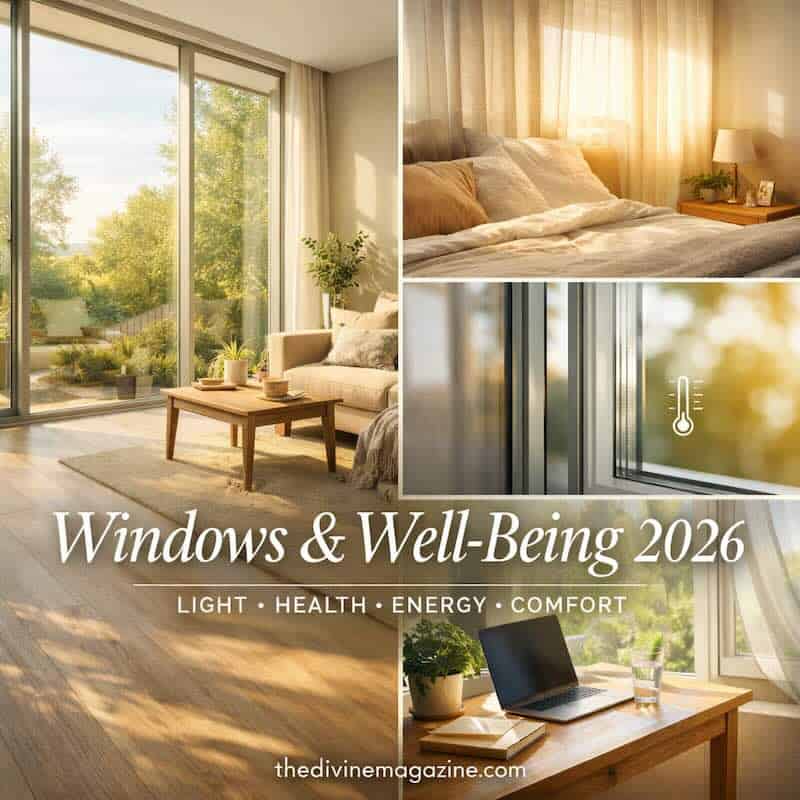
In 2026, home design continues to merge wellness and sustainability — and your windows play a bigger role than ever. Beyond aesthetics, modern windows influence your health, comfort, and energy efficiency. Whether you’re upgrading your home or simply curious about how architecture affects well-being, this guide explores seven ways windows impact your daily life.
- #1. Windows Can Help You Sleep Better
- #2. Windows Can Help You Wake Up Refreshed
- #3. Windows Can Improve Your Mood
- #4. Windows Can Help Reduce Stress
- #5. Windows Can Make Your Home More Energy Efficient
- #6. Windows Can Improve Concentration
- #7. Windows Can Help Reduce Eye Strain
- Conclusion
- FAQ: Windows and Wellness 2026
Windows affect your exposure to sunlight, temperature regulation, noise levels, and even air quality. They shape your mood, productivity, and sleep patterns — making them one of the most underrated wellness features in any home. For deeper insights, explore ArchDaily’s study on natural light and health and Healthline’s guide to circadian rhythm.
#1. Windows Can Help You Sleep Better
Exposure to natural light helps regulate your body’s circadian rhythm, improving sleep quality. Studies show that bedrooms with daylight access promote deeper rest and better morning alertness. Consider positioning your bed near a window or using smart blinds that mimic sunrise patterns. Learn more from Sleep Foundation’s light and sleep research.
#2. Windows Can Help You Wake Up Refreshed
Morning sunlight triggers serotonin production, helping you feel energized and focused. Opening your curtains or windows early lets natural light and fresh air stimulate your senses. Smart glass technologies in 2026 even adjust tint automatically to optimize morning brightness. Explore innovations at SmartGlass International.
#3. Windows Can Improve Your Mood
Natural light exposure boosts mood and reduces symptoms of seasonal affective disorder (SAD). Even short periods near a sunny window can elevate dopamine levels and reduce anxiety. For those in colder climates, installing larger or south-facing windows can help maintain mental balance during darker months. Read more at NIH’s study on light and mental health.
#4. Windows Can Help Reduce Stress
Fresh air and daylight are natural stress relievers. Sitting near an open window for just 10 minutes can lower cortisol levels and improve relaxation. In 2026, many homeowners integrate operable skylights and biophilic design to bring nature indoors. For design inspiration, visit Dezeen’s biophilic architecture collection.

#5. Windows Can Make Your Home More Energy Efficient
Energy-efficient windows reduce heat loss in winter and block excess heat in summer, lowering utility costs and carbon footprint. Modern glazing technologies like low‑E coatings and triple‑pane glass are now standard in sustainable homes. If you’re upgrading, consider window replacements from Mighty Dog Roofing or explore Energy.gov’s window efficiency guide.
#6. Windows Can Improve Concentration
Natural light enhances focus and productivity. Working near a window reduces fatigue and helps maintain alertness throughout the day. In 2026, architects increasingly design home offices with panoramic or clerestory windows to maximize daylight exposure. For workspace optimization, see WELL Building Standard recommendations.
#7. Windows Can Help Reduce Eye Strain
Balanced natural light minimizes glare and reduces eye strain from screens. Position your desk perpendicular to a window to avoid direct sunlight on your monitor. In 2026, adaptive glass and smart tinting technologies automatically adjust brightness for visual comfort. Learn more at ScienceDirect’s study on daylight and visual ergonomics.
Conclusion
Windows are more than architectural features — they’re wellness tools. From improving sleep and mood to boosting energy efficiency, the right windows can transform your living environment. In 2026, sustainable design and smart technology make it easier than ever to create homes that support health, comfort, and happiness.
FAQ: Windows and Wellness 2026
1. What type of windows are best for health?
Double or triple‑pane windows with low‑E coatings provide insulation and UV protection while maintaining natural light.
2. How can windows improve indoor air quality?
Operable windows allow ventilation, reducing indoor pollutants and humidity. Pair them with air‑purifying plants for optimal results.
3. Are smart windows worth the investment?
Yes — smart glass adjusts tint automatically, improving comfort and reducing energy use. Explore options at View Smart Glass.
4. How do windows affect mental health?
Natural light exposure boosts serotonin and reduces anxiety, helping maintain emotional balance throughout the year.
5. What’s the most sustainable window choice in 2026?
Recycled aluminum frames and triple‑glazed glass with argon fill are top eco‑friendly options. Learn more at Green Building Advisor.