
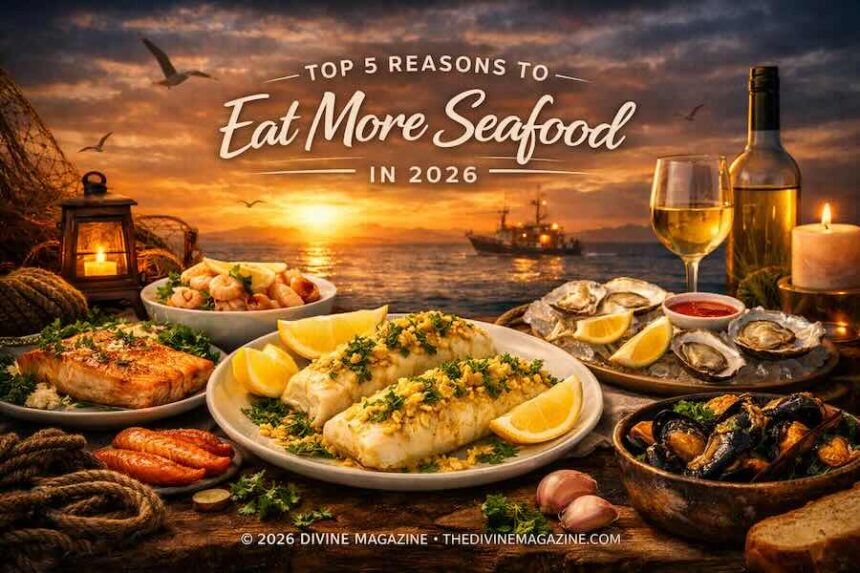
Want to make a positive impact in 2026? One simple change you can make right in your own kitchen is to eat more seafood. From health benefits to sustainability, seafood can play a powerful role in your lifestyle. Read on to find out more.
Health benefits
There’s a reason that fish is known as “brain food”. Not only is it good for your body, but for your mind too – studies have shown that eating more seafood can help support mental health and may alleviate conditions like depression. Fish tends to be low in saturated fat, high in protein and rich in essential vitamins, minerals and omega‑3 fatty acids that support heart, brain, eye and joint health.
For an overview of the science behind seafood and health, you can explore resources from organizations such as the World Health Organization and the NHS on fish and shellfish nutrition.
Animal welfare reasons
All life is important, and for some people the idea of eating any meat or fish is unacceptable – veganism or vegetarianism is what feels right for them. However, if you can’t or don’t want to go completely vegan or vegetarian, then going pescetarian (eating fish and seafood but avoiding other meats) might sit better with you.
It’s not to say that fish are “worth” any less than other animals, but fish have different nervous systems and levels of awareness compared to many land animals. Some people therefore consider seafood a less emotionally difficult choice. If animal welfare is important to you, you can also look for certifications such as the Marine Stewardship Council (MSC) or Aquaculture Stewardship Council (ASC), which include welfare and sustainability standards.
Reduce your carbon footprint
Along with animal welfare concerns, one of the main issues with eating meat is the environmental impact that it has. Factory farms that use a lot of resources (from water to fossil fuels) and the toxic waste they produce can be really problematic.
More Read

In comparison, seafood can be much more sustainable, although it does depend on what you’re eating and how it’s sourced. Where possible, choose fish that are locally sourced, seasonal and certified as sustainable. You can check guidance from organizations like the Food and Agriculture Organization (FAO) or regional seafood guides such as the Monterey Bay Aquarium Seafood Watch to make more climate‑friendly choices in 2026.
Taste
One of the main reasons lots of people enjoy seafood is because of the taste! From very “fishy” and rich tasting fish such as mackerel and sardines to those much milder in flavor like cod and other white fish, there’s something for everyone. You have everything from sushi to oysters to prawns – there’s a massive variety, all of which can be enjoyed in different ways.
Always be sure to buy your fish very fresh, ideally the day or the day before you plan on eating it. Frozen fish is also a great option if you don’t want to keep running out to the store, as it keeps its flavor and is ready to be used whenever you want it. For inspiration, you can browse recipes from trusted sources like BBC Good Food fish recipes or Allrecipes seafood ideas.
Quick and simple
Unlike large cuts of meat that can take hours to roast or slow‑cook, fish cooks very quickly, making it a perfect option for healthy “fast food”. This recipe from themediterraneandish.com, for example, takes just fifteen minutes – something that most of us can manage even after a busy day at work.
Seafood doesn’t tend to need a ton of herbs, spices or other ingredients to taste good; often a squeeze of lemon with some salt and pepper and a simple side is all you need. People can be nervous when cooking fish for the first time as it is quite delicate, but it’s so worth giving it a try. You’ll quickly pick up the knack, and you’ll never need to reach for a bland frozen microwave meal again when you want food fast!

Simple 2026 Seafood Recipe: Lemon Garlic Baked Cod
If you want a fast, healthy and flavourful seafood dish to kickstart your 2026 cooking routine, this baked cod recipe is perfect. It’s light, rich in protein, and ready in under 20 minutes.
Ingredients
- 2 cod fillets (fresh or high‑quality frozen)
- 2 tbsp olive oil
- 2 cloves garlic, finely chopped
- 1 lemon (zest + juice)
- Salt and black pepper to taste
- Fresh parsley, chopped (optional)
- Lemon wedges for serving
Instructions
- Preheat your oven to 200°C (390°F). Line a baking tray with parchment paper.
- Place the cod fillets on the tray and pat them dry with kitchen paper.
- In a small bowl, mix olive oil, garlic, lemon zest and lemon juice.
- Brush the mixture generously over the cod. Season with salt and pepper.
- Bake for 12–15 minutes, or until the fish flakes easily with a fork.
- Top with fresh parsley and serve with lemon wedges.
For more inspiration, explore additional seafood recipes from trusted sources like BBC Good Food or the Allrecipes seafood collection.
Conclusion
In 2026, choosing to cook with seafood more often is a small change that can have a big impact. You support your health with high‑quality protein and omega‑3s, you may reduce your carbon footprint by choosing sustainable options, and you open the door to a huge variety of quick, delicious meals. Whether you’re going fully pescetarian or just adding a couple of fish dishes to your weekly routine, your kitchen is a powerful place to make a difference.
FAQ
How often should I eat seafood?
Many national health guidelines, such as those from the NHS, recommend eating fish at least twice a week, including one portion of oily fish like salmon, mackerel or sardines. Always check your local health authority’s advice, especially if you are pregnant or have specific medical conditions.
Is farmed fish a good choice in 2026?
Farmed fish can be a good option, especially when it comes from responsible producers. Look for certifications such as ASC or MSC, and consult regional guides like Seafood Watch to see which farmed species are recommended in 2026.
What if I’m worried about mercury and contaminants?
Most people can safely enjoy a variety of seafood by choosing a mix of species and following local guidelines on high‑mercury fish. Health authorities such as the U.S. FDA and EFSA provide up‑to‑date advice on which fish to limit, especially for pregnant people and young children.
Can I still make a difference if I only eat seafood occasionally?
Absolutely. Even swapping one or two meat‑based meals a week for seafood – especially sustainably sourced options – can support your health and slightly lower your environmental impact. Small, consistent changes in 2026 can add up over time, both for you and for the planet.