
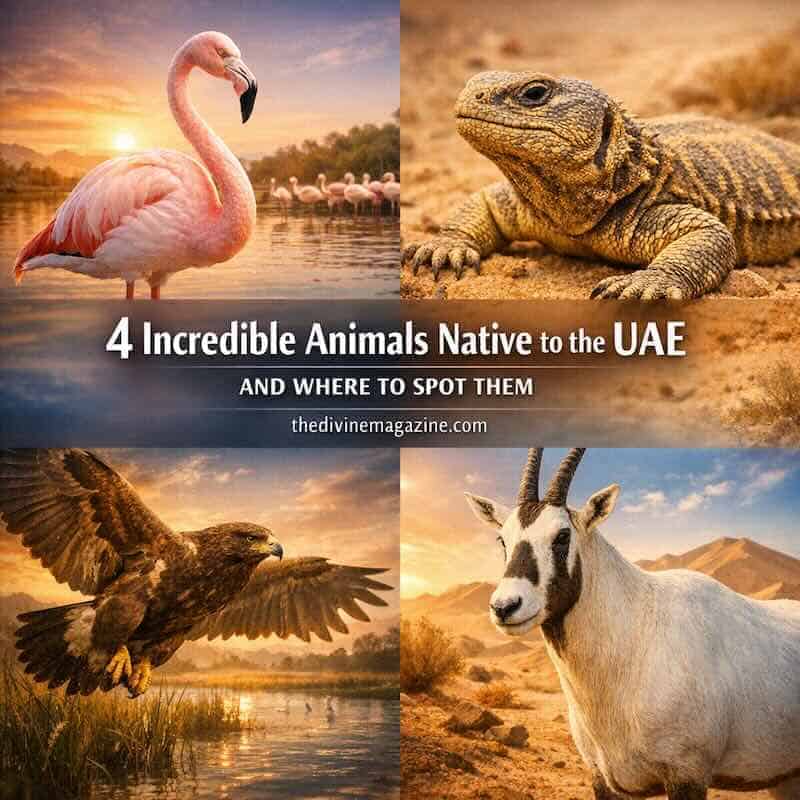
In 2026, it is easy to get swept up in the UAE’s hyper-modern “smart cities.” However, those who assume the country is merely towering glass and barren sand are missing the most vibrant half of the story. Beyond the urban sprawl lies a world of biological wonder that has seen a massive resurgence thanks to the UAE’s 2030 Green Agenda.
The UAE is home to a diverse range of habitats that are far more complex than many realize. Today, delicate ecosystems—including protected wetlands, carbon-sequestering mangroves, rugged mountain ranges, and vibrant coral reefs—are thriving under strict conservation laws.
With dozens of National Parks and RAMSAR-certified wetland sites, the Emirates have become a safe haven for species once on the brink of extinction. Here are the UAE’s most fascinating inhabitants and the best eco-conscious spots to find them in 2026.
| Animal | Description | Where to Spot Them |
|---|---|---|
| Greater Flamingo | Elegant pink wading bird; color comes from diet of brine shrimp and algae | Al Wathba Wetland Reserve, Eastern Mangrove National Park, Ras Al Khor |
| Dhub (Spiny-tailed Lizard) | Desert reptile nicknamed “fish of the desert”; can live up to 80 years | Dubai Desert Conservation Reserve, Mleiha (Sharjah) |
| Greater Spotted Eagle | Large bird of prey with 1.5m wingspan; juveniles have white spots | Ras Al Khor Wildlife Sanctuary, wetland areas near Abu Dhabi |
| Arabian Oryx & Sand Gazelle | Iconic desert antelopes; symbols of UAE conservation success | Dubai Desert Conservation Reserve, Sir Bani Yas Island, Al Marmoon |
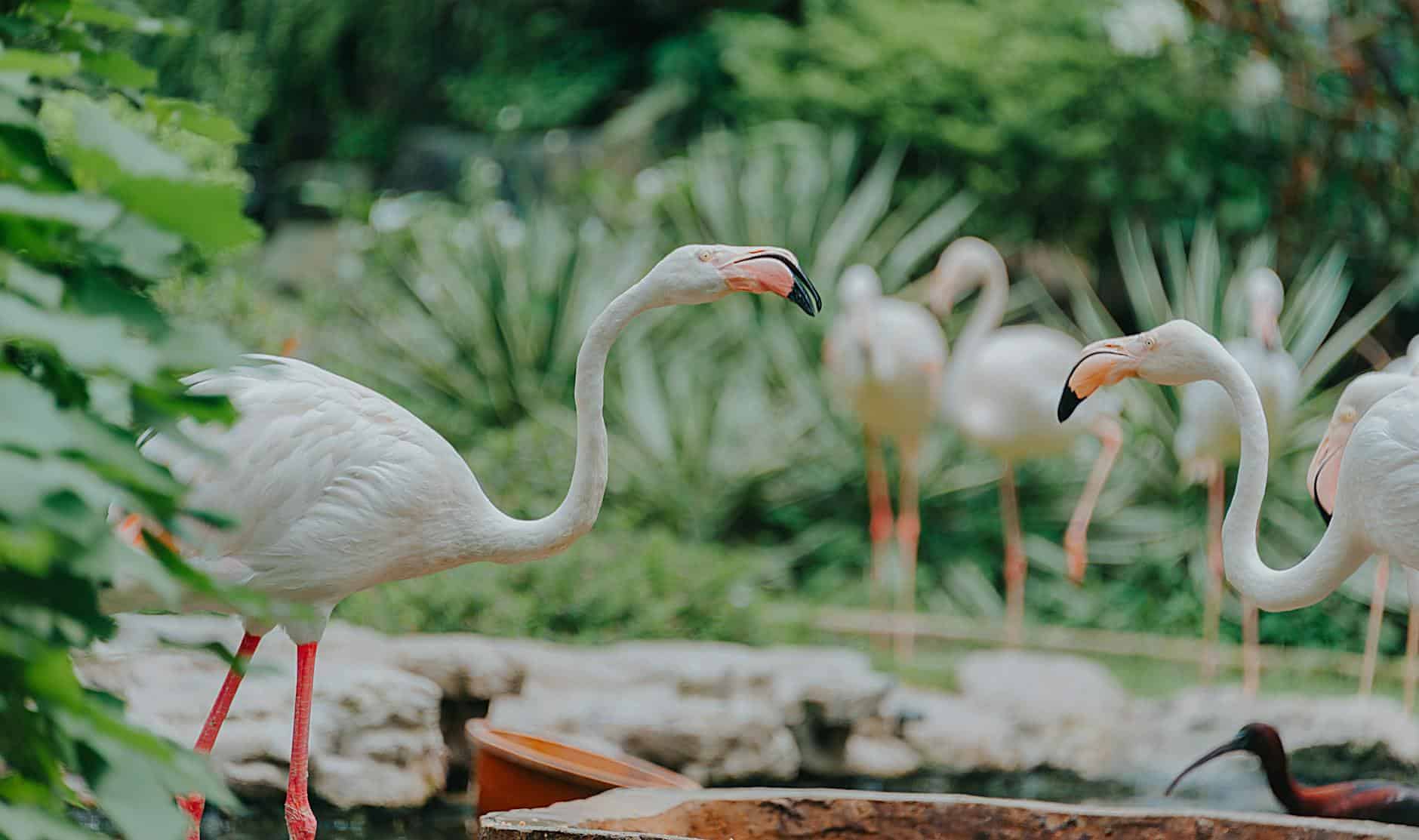
Greater Flamingos: The Pink Ambassadors
The Greater Flamingo remains one of the UAE’s most iconic sights. These elegant waders are famous for their vibrant pink plumage, a result of their carotenoid-rich diet of brine shrimp and blue-green algae found in the local lagoons.
Where to find them: In 2026, the Al Wathba Wetland Reserve in Abu Dhabi is the premier breeding ground. For those in Dubai, the Ras Al Khor Wildlife Sanctuary offers state-of-the-art, air-conditioned viewing hides that allow you to observe thousands of birds without disturbing their peace.
Dhub: The Spiny-Tailed Time Traveler
Looking like a miniature dinosaur, the Dhub (Uromastyx) is a master of desert survival. These lizards use a unique thermoregulation trick: they start the day dark grey to absorb the morning sun and turn beige as the temperature rises to reflect heat and blend into the sand.

Where to find them: They are shy, but the Dubai Desert Conservation Reserve (DDCR) has seen a population boom thanks to managed grazing. The rocky terrain of Mleiha in Sharjah also offers excellent spotting opportunities for patient hikers.
Greater Spotted Eagle: The Winter Migrant
With a wingspan exceeding 1.5 meters, this bird of prey is a majestic sight in the UAE’s winter skies. While the “spots” are only visible on juveniles, the adult’s sheer size and dark, powerful silhouette are unmistakable. They migrate from Northern Europe and Asia to enjoy the UAE’s milder winter climate.
Where to find them: Visit the Ras Al Khor Wildlife Sanctuary between November and March. In 2026, many of these eagles are part of satellite-tracking programs, and visitors can sometimes view their migration paths on interactive screens at the sanctuary’s visitor center.
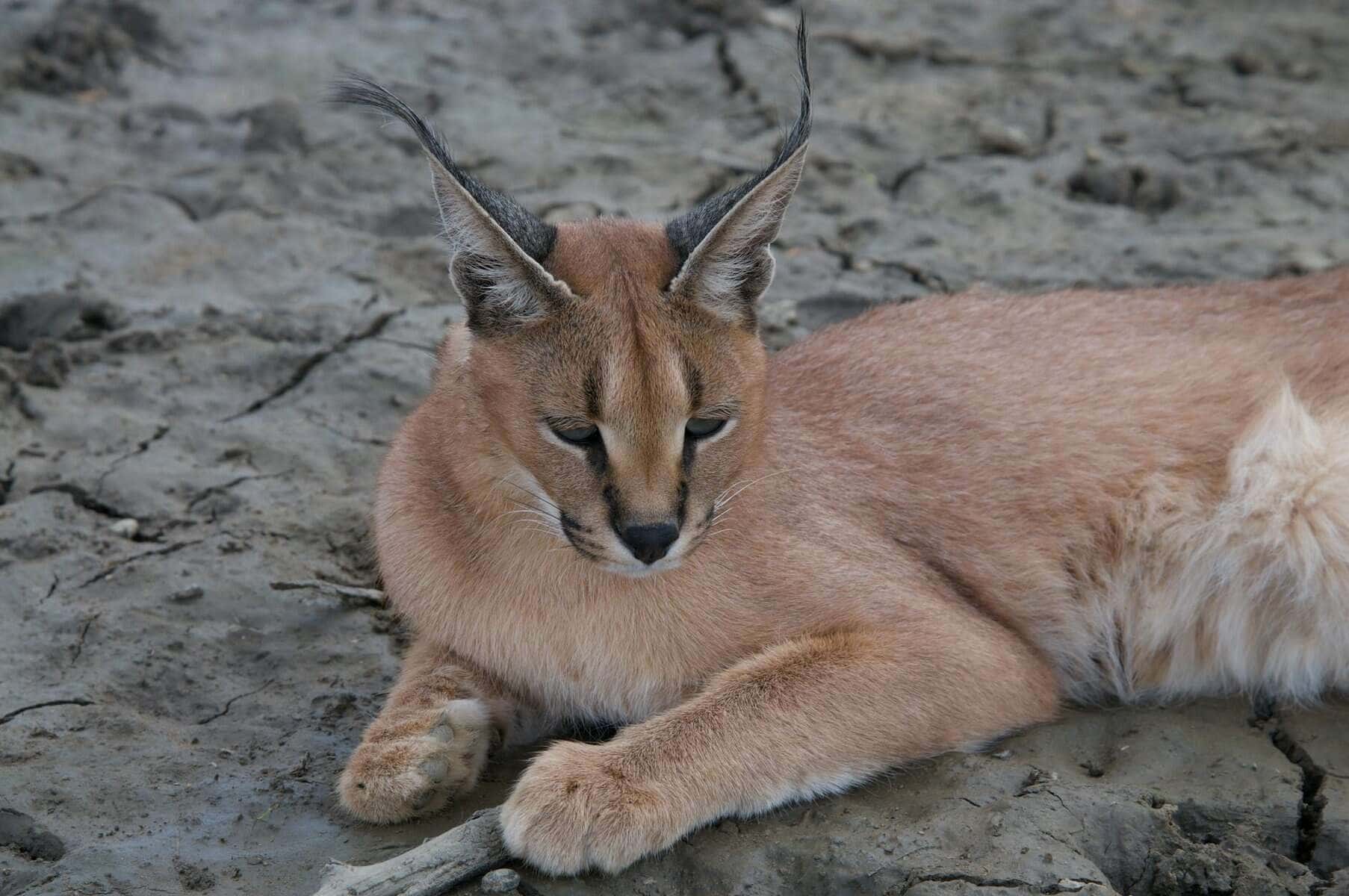
The Caracal: The Ghost of the Mountains
The Caracal, or desert lynx, is the UAE’s most elusive predator. Known for its incredible leaping ability—capable of catching birds mid-flight—it is easily identified by its distinctive black-tufted ears. While they were rarely seen for decades, intensive conservation in the Hajar Mountains has led to more frequent sightings on remote camera traps.
Where to find them: Seeing one in the wild is rare, but the Jebel Hafeet National Park in Al Ain remains their stronghold. For a guaranteed (and safe) encounter, the Arabia’s Wildlife Centre in Sharjah provides a naturalistic setting to learn about these fierce cats.
Eco-Tourism & Responsible Exploration
The resurgence of these species is a testament to the UAE’s commitment to Responsible Tourism. In 2026, “Leave No Trace” is not just a suggestion; it is the cultural norm.
Education is our strongest tool. As Sir David Attenborough famously said, “No one will protect what they don’t care about.” Today, the “UAE Nature” app helps residents and tourists identify species in real-time and report sightings to scientists, turning every hiker into a citizen scientist.
Conclusion
The UAE’s wild spaces are a precious heritage that balances the country’s rapid technological growth. Whether you are watching flamingos against the backdrop of the Burj Khalifa or searching for Dhubs in the red sands of Sharjah, remember that we are guests in their home. By choosing organized eco-tours, minimizing noise, and carrying out all waste, we ensure that the UAE remains a diverse, living landscape for generations to come.
Frequently Asked Questions
Q: Do I need a permit to visit National Parks in the UAE?
A: Some areas, like the Dubai Desert Conservation Reserve, require you to visit with a licensed tour operator to minimize environmental impact. Others, like Al Wathba, are open to the public but have specific visiting hours.
Q: What is the best time of day for wildlife spotting?
A: Early morning (just after sunrise) or late afternoon (before sunset) are the “golden hours” when animals are most active and the heat is manageable.
Q: Can I fly drones to film wildlife?
A: No. In 2026, drone use in National Parks and wildlife sanctuaries is strictly prohibited to avoid distressing animals and birds.
Resources & Further Reading:
- UAE Ministry of Climate Change & Environment
- BirdLife International: Greater Spotted Eagle Factsheet
- The National: UAE Environment & Conservation News