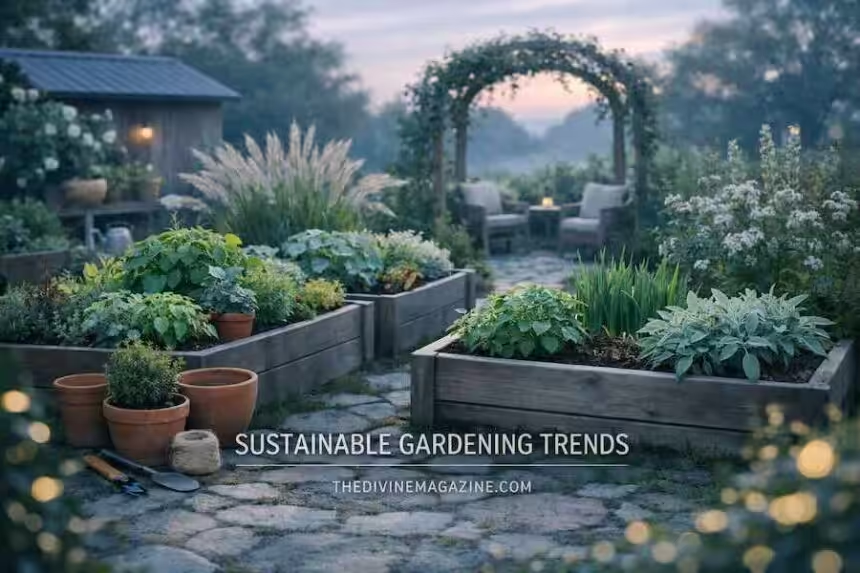
Gardening as a hobby has been popular for decades, although there have been considerable changes in the structural forms, technology, and maintenance of plants that can be seen throughout this long history. What once was viewed as a traditional, chore-like pastime has evolved into a dynamic art form deeply intertwined with lifestyle design and ecological awareness.
People have always enjoyed cultivating different crops, plants, and flowers. This trend has arisen for distinct reasons: the primeval reason was pure survival—hence cultivating food for personal consumption—while in later periods it shifted toward the appealing looks, soothing symmetry, and delightful fragrance a nicely arranged garden provided. The collective passion for cultivation found a massive global resurgence during the historic lockdown periods of 2020. During that time, homebound individuals utilized their yards as a vital, restorative bridge back to the natural world. Moving through 2026, this movement has matured far beyond a temporary hobby; it has solidified into a permanent lifestyle shift centered on climate resilience, high-yield small spaces, and mindful property stewardship. If you are eager to elevate your green space, explore these highly innovative, unusual gardening trends taking center stage this year.
The Importance of Gardening Sustainably and How to Do It Effectively
Modern garden design no longer relies solely on superficial cosmetic appeal. Instead, the focus has completely pivoted toward highly effective, sustainable ways of long-term property maintenance. Embracing eco-friendly alternatives across our daily routines is the single most impactful way to regenerate local ecosystems while cutting back on residential utility costs. If you are interested in cultivating an outdoor area that balances stunning visual design with practical, functional, and eco-friendly features, take a look at these foundational sustainability practices:
DIY Hot and Vermicomposting
Manufacturing your own artisanal compost rather than relying on commercially packaged synthetic soil brands is vastly more productive for multiple reasons. It actively diverts organic kitchen scraps from local landfills, builds an incredibly rich microbiome for your flowerbeds, and keeps money in your wallet. By exploring modern hot composting systems or compact indoor vermicomposting (worm bins), you can rapidly transform household waste into balanced, nutrient-dense organic matter without relying on chemical fertilizers.
Cultivate Keystone Native Species
Researching and planting trees, shrubs, and perennial flowers native to your specific geographic region drastically simplifies property maintenance because these varieties are naturally adapted to your local climate and rainfall patterns. Integrating regional trees not only anchors your property’s visual aesthetic, but it also creates vital carbon sinks that absorb CO2 while releasing fresh oxygen. Furthermore, native plants act as critical feeding and nesting corridors for local pollinators, birds, and beneficial insects. When positioned strategically around your home’s exterior, dense deciduous trees can even shade your roofline during peak summer, lowering your home’s cooling costs naturally.
Conserve Water Thoughtfully
Confronting shifting global weather patterns requires intelligent, intentional water conservation. You can dramatically lower your consumption by establishing a drought-tolerant xeriscape or routing rain gutters directly into heavy-duty storage basins. When it is time to manually supplement water, utilizing a high-efficiency retractable garden hose ensures smooth, leak-free distribution. These self-winding, enclosed storage units protect the integrity of the hose, eliminate messy yard clutter, and allow you to target the base of your plants directly without wasting a single droplet.

The Hottest Gardening Trends Ruling 2026
Driven by a collective desire for self-reliance, wellness-focused design, and climate-aware landscaping, recent consumer search data and horticulturist analysis reveal several standout design trends dominant throughout 2026. Use these curated concepts to inspire your next home project:
The “Botanical Bento” Container Garden
Residing in a compact urban apartment or lacking a sprawling backyard footprint does not mean you cannot curate a personal green sanctuary. The “Botanical Bento” trend focuses on arranging highly curated, deeply texturized combinations of plants inside compact container groupings on balconies, steps, and patios. Utilizing movable planters allows city dwellers to easily shift their flora to follow seasonal sunlight patterns, bringing immense biological variety into tiny architectural footprints.
Curated Wild “Rewilding” Meadows
The era of the pristine, chemical-dependent turf lawn is steadily fading away. Homeowners are now deliberately embracing a relaxed, naturalistic look by dedicating patches of land to intentional rewilding. Instead of fighting nature with netting and pesticides, this philosophy lets native wildflowers, ornamental grasses, and self-seeding flora mingle organically. The result is a striking, low-input landscape that hums with life, welcoming critical songbirds and predatory insects back into the local ecosystem.
Smart Architectural Vertical Gardens
For homes where usable horizontal square footage is at an absolute premium, the only way to grow is up. Modern vertical wall planters allow you to mount intricate living tapestries directly against bare exterior siding, fences, or concrete balcony walls. These modular vertical grids can turn a sterile urban backdrop into a lush, air-purifying focal point while providing an extra layer of organic thermal insulation for the building.
No-Till “Foodscaping” Veggie Patches
Growing your own food has evolved into a sophisticated art form known as foodscaping—the seamless integration of edible plants directly into ornamental flower borders. Rather than segregating vegetables to the back of the yard, gardeners are interweaving compact dwarf blueberries, trailing blackberries, and alpine strawberries right alongside their perennial flowers. This is predominantly paired with the “no-dig” or no-till methodology, where fresh compost is layered directly over the earth. This preserves vital subterranean fungal networks, suppresses weeds, and eliminates back-breaking manual soil tilling.
“In-and-Out” Flowing Spaces
This design concept is all about breaking down the traditional boundary between the interior living room and the exterior patio. Driven by a desire for “warm minimalism,” homeowners are using identical natural stone pavers, warm woods, and earth-toned textiles both indoors and out. Furthermore, adventurous gardeners are putting their favorite hardy houseplants—like spider plants and Tradescantia varieties—into summer hanging baskets outside, before migrating them back to the indoor living room shelves when winter weather sets in.
High-Yield Tabletop and Windowsill Gardens
Thanks to incredible leaps in selective plant breeding, compact windowsill farming has exploded in popularity. Micro-dwarf vegetable varieties—such as tabletop chillies, mini aubergines, and hanging basket cucumbers—allow individuals to harvest fresh culinary ingredients straight from a sunlit kitchen window sill. These compact varieties serve a brilliant double purpose: they offer the immediate, vibrant decoration of cut flowers while providing a steady, convenient harvest of fresh ingredients for daily meals.
Engaging with a garden remains one of the most accessible, restorative ways to decompress, unplug from digital screens, and ground your mental health. By thoughtfully analyzing your current living space and incorporating these purposeful, sustainable design elements, you will instantly cultivate a more serene, vibrant, and soul-stirring home atmosphere.
Conclusion: Cultivating the Future of Gardening
Ultimately, the global evolution of gardening underscores a collective realization that our personal outdoor areas are not isolated decorations, but vital pieces of a much broader global ecosystem. Designing with purpose—whether that looks like establishing a small-scale foodscape on a balcony or rewilding a traditional lawn into a pollinator-safe meadow—allows us to build resilient, self-sustaining environments that nurture both our families and local wildlife. For deeper educational insights into building regional ecological value and identifying certified native flora across North America, the Lady Bird Johnson Wildflower Center provides comprehensive national plant directories and landscape management resources. Start small, focus on the health of your soil, and let your green space evolve organically at its own natural rhythm.
Frequently Asked Questions
Q: What exactly is no-till gardening, and why is it preferred over traditional tilling?
A: Traditional tilling involves mechanically churning up the soil, which temporarily loosens the earth but ultimately disrupts beneficial subterranean ecosystems, kills earthworms, destroys complex mycelial networks, and accelerates moisture evaporation. The no-till approach focuses on layering organic amendments, like compost and leaf mulch, directly on top of the soil beds. Over time, nature naturally incorporates these nutrients downward, preserving the soil structure, boosting water retention, and significantly reducing weed germination.
Q: Can I grow edible fruits and vegetables successfully if my apartment only has a shady balcony?
A: Yes. While sun-loving crops like tomatoes and peppers require substantial direct sunlight, many highly productive edible plants thrive in partial shade. Focus your tabletop or container efforts on leafy greens (spinach, kale, arugula), robust root vegetables (radishes, carrots), and versatile culinary herbs like mint, chives, and parsley. Additionally, utilizing light-colored gravel multi-layers or placing mirrors strategically can help bounce ambient light back up toward your planters.
Q: How can I ensure my houseplant transitions smoothly when moving it outdoors for summer?
A: The key to the “in-and-out” plant trend is gradual acclimation, known as hardening off. Never move a indoor plant directly from a climate-controlled room into harsh, direct outdoor sunlight, as the UV rays will instantly scorch the foliage. Instead, place your pots in a fully shaded, sheltered outdoor spot for a few hours a day, gradually increasing their exposure over two weeks to help them adapt to the increased airflow and fluctuating temperatures before permanently mounting them on patio brackets.
Q: What are the main principles of “Barkitecture” in modern landscape design?
A: Barkitecture is a growing design movement centered on building stunning, functional landscapes with the safety and wellness of domestic pets in mind. This involves steering completely clear of toxic flora (such as certain lily or azalea varieties) and replacing delicate plants with resilient, dog-tolerant perennials like Echinacea or Salvia. For step-by-step safety guides, plant toxicological registers, and pet-friendly landscape layouts, platforms like the ASPCA offer extensive, expert-verified directories to keep your animal companions safe while enjoying the outdoors.